
 February 8, 2024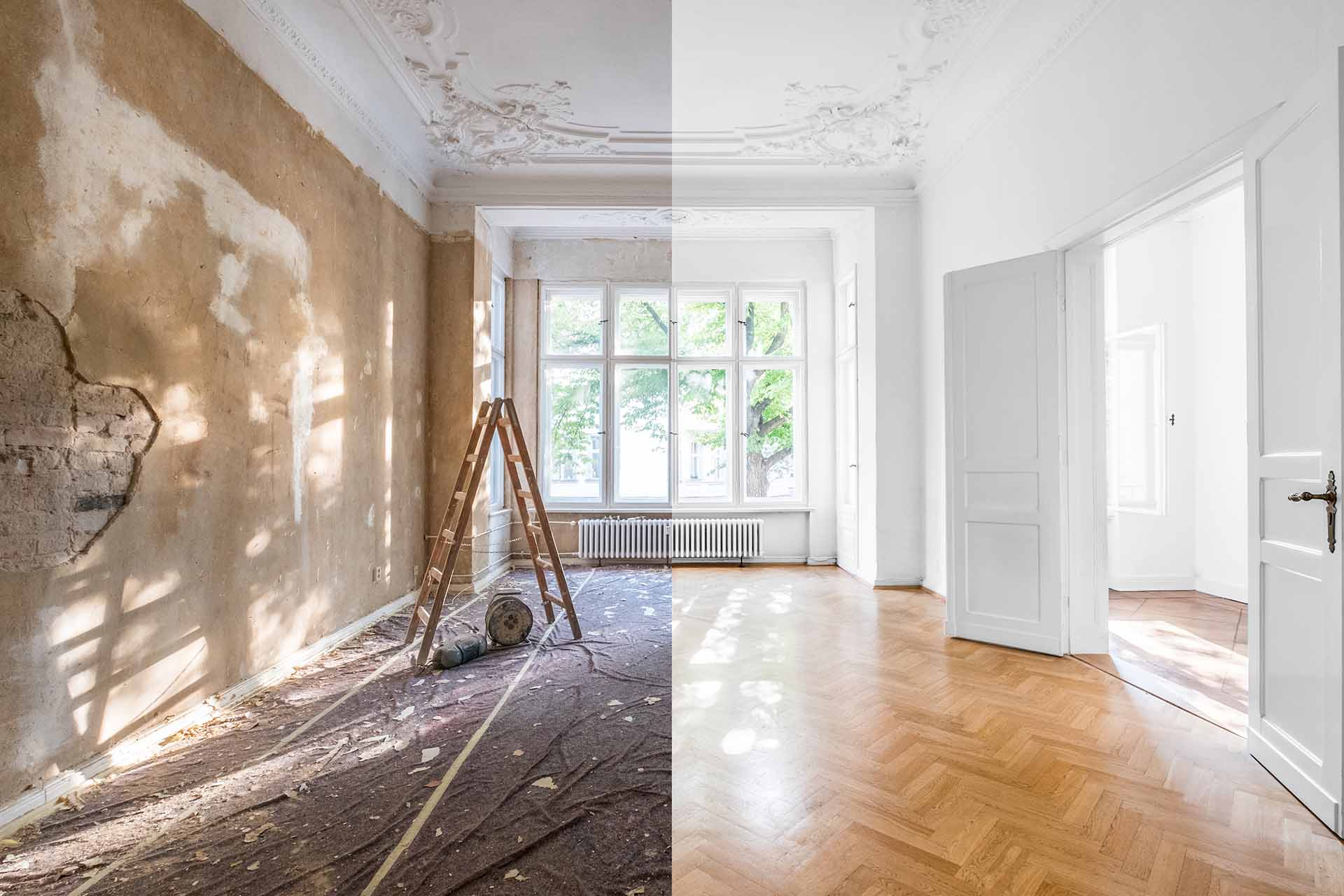
Embarking on a renovation journey can be both exhilarating and daunting. You’re not just giving your property a facelift; you’re potentially boosting its value significantly. Whether you’re eyeing the resale market or looking to attract higher-paying tenants, understanding how renovations impact property value is crucial.
But where do you start? And more importantly, how can you ensure your investments pay off? This article will guide you through the essentials of property transformation. From minor upgrades to major overhauls, you’ll discover how to make strategic decisions that enhance your property’s appeal and value. Let’s dive into the world of renovations and unlock the potential of your property.
Understanding the Impact of Renovations on Property Value
When considering renovations, it’s crucial to understand how specific upgrades can significantly alter the value of your property. Not every renovation offers the same return on investment (ROI), so selecting the right projects is key to maximizing value, whether you’re aiming to sell or secure higher rent from tenants.
Key renovations that typically offer the best ROI include:
- Kitchen and bathroom upgrades: These areas often see the most wear and tear and can become outdated quickly. Modernizing them can dramatically increase a property’s appeal and value.
- Adding extra living space: Whether it’s finishing a basement or adding a room, additional square footage generally increases a property’s market value.
- Improving energy efficiency: Installing energy-efficient windows or upgrading insulation can not only save you or your tenant money on utilities but also boost the property’s attractiveness to eco-conscious buyers or renters.
To understand the financial impact, let’s take a glance at some average ROI figures for common renovations:
| Renovation Project | Average ROI (%) |
|---|---|
| Minor Kitchen Remodel | 77.6 |
| Bathroom Remodel | 70.1 |
| Addition of Living Space | 69.0 |
| Energy Efficiency Upgrades | 65.3 |
These figures highlight the importance of choosing the right renovations to maximize potential returns. Keep in mind, however, that market trends and local demand can shift these averages, so it’s wise to research or consult with a real estate professional in your area before making any decisions.
Aside from financial considerations, renovations can also make a property more appealing to potential buyers or tenants by improving its functionality, aesthetic appeal, and comfort level. This emotional appeal can sometimes be just as important as the tangible financial benefits, attracting higher offers or enabling you to command a higher rent.
Identifying the Right Renovations for Your Property
When seeking to enhance your property’s value through renovations, it’s crucial to identify which projects will provide the best returns. Not all renovations are created equal, and selecting the right ones can significantly impact your resale or rental value.
First, comprehensive market research is your ally. Understand what buyers or tenants in your area are looking for. Is there a high demand for energy-efficient homes? Do properties with modern kitchens tend to sell faster? Answers to these questions will guide your renovation decisions.
Next, focus on cost-effective renovations. Simple changes like repainting the interior or updating light fixtures can have a surprising impact on your property’s appeal without breaking the bank. Here’s an essential list of renovations known for boosting property value:
- Kitchen Updates: Modern, functional kitchens are a top priority for buyers and renters.
- Bathroom Remodels: A clean, updated bathroom can significantly elevate a property’s appeal.
- Adding Living Space: Finished basements or attic conversions increase usable space, appealing to a broader market.
- Curb Appeal Enhancements: First impressions count. Landscaping and exterior makeovers can make a big difference.
To ensure you’re making wise investment choices, consider the following ROI figures for common renovations:
| Renovation Type | Average ROI (%) |
|---|---|
| Minor Kitchen Remodel | 77.6 |
| Bathroom Remodel | 70.1 |
| Adding a Deck | 72.1 |
| Window Replacement | 68.6 |
Incorporating energy-efficient features can also be a game-changer. Items like solar panels, high-efficiency windows, and LED lighting not only attract eco-conscious buyers but can also offer long-term savings to tenants, making your property more attractive.
Remember, renovating for a higher market value is about balancing aesthetic upgrades with functional improvements that prospective buyers or tenants will value. Prioritize projects that align with market trends and local demands to ensure your investments translate into tangible returns.
Budgeting for Renovations: How Much is Too Much?
When embarking on property renovations aimed at increasing its value, understanding how to budget effectively is vital. You want to ensure that every dollar you invest significantly impacts your property’s market appeal without overspending. Setting a budget that aligns with your property’s current value and the average ROI of proposed renovations is key.
Begin by evaluating your property’s worth in the current market. This sets a realistic foundation for how much you should consider investing in renovations. A common rule of thumb is to spend no more than 10-15% of your property’s value on a single project. For instance, if your property is valued at $300,000, limiting your kitchen renovation budget to $45,000 can prevent overcapitalization.
| Renovation Project | Suggested Budget Percentage |
|---|---|
| Kitchen Renovation | 10-15% |
| Bathroom Renovation | 5-10% |
| Adding Living Space | 10-15% |
| Curb Appeal | 5-10% |
Besides adhering to these guidelines, it’s crucial to factor in unexpected costs. Allocating an additional 10-20% of your project budget for unforeseen expenses can save you from financial strain later on.
Researching financing options is also essential. Whether it’s through savings, a home equity loan, or a personal loan, understanding the terms, interest rates, and repayment schedules will ensure you choose the most cost-effective and manageable funding method.
Remember, the goal isn’t just to increase your property’s value but to do so in a way that maximizes your financial returns. By carefully planning and sticking to a well-thought-out budget, you’re setting yourself up for renovation success that reflects positively on your property’s resale or rental value.
Maximizing the Return on Investment: Renovations that Add Value
When you’re looking to enhance your property’s value, it’s critical to focus on renovations that promise the highest return on investment (ROI). Not all updates are created equal, and some can significantly impact your property’s market value more than others. Understanding which renovations add the most value helps you prioritize your projects effectively.
Kitchen Remodels are at the top of the list. Often considered the heart of the home, a modern, well-designed kitchen can be a major selling point. You don’t have to go for a full gut renovation; even minor updates like replacing cabinet doors or upgrading appliances can make a substantial difference. Aesthetic appeal coupled with functionality boosts your property’s appeal to potential buyers or renters.
Another area where you can see great returns is in Bathroom Updates. From simple changes like new fixtures and lighting to more extensive remodels including new tiles and modern amenities, bathroom renovations can significantly increase your property’s value. These spaces are critical to the overall impression of your home, and modern, clean aesthetics are often a key factor for buyers and renters.
Adding Living Space such as finishing a basement or attic, or even adding a deck, expands the usable area of your home. These additions can be particularly appealing to buyers looking for more space without the hassle of a move. More square footage usually translates to a higher property value.
Focusing on Energy Efficiency has become increasingly important to consumers. Upgrades like double-pane windows, high-efficiency HVAC systems, and additional insulation not only appeal to the environmentally conscious but also to anyone looking to save on energy bills.
It’s important to remember to balance aesthetic allure with practical upgrades. While marble countertops may look fantastic, if the heating system is outdated, potential buyers could be turned off. Always consider the needs and wants of your target market when planning your renovations.
| Renovation Type | Average ROI |
|---|---|
| Minor Kitchen Remodel | 80% |
| Bathroom Remodel | 70% |
| Adding Living Space | 69% |
| Energy Efficiency Upgrades | 65% |
By focusing on these key areas, you’re more likely to see a substantial increase in your property’s value, making your investment both more profitable and appealing to the market.
Improving Curb Appeal: Exterior Renovations that Attract Buyers or Renters
First impressions are crucial, and in real estate, this means your property’s curb appeal is a key factor in attracting buyers or renters. Enhancing the exterior of your home not only makes it more appealing but can significantly increase its value. Here are a few renovations that promise high visual impact and good returns.
Landscaping is a game changer. A well-maintained garden, with trimmed lawns and vibrant flower beds, can transform the look of your property. It’s not just about aesthetics; landscaping can offer an impressive ROI. Consider strategic planting to create privacy or shade, which in addition to beauty, adds functional value to the outdoor space.
Repainting the exterior or just the front door can dramatically improve the property’s appearance. Opt for colors that complement the architecture and fit the neighborhood’s style. A fresh coat of paint is relatively inexpensive but can significantly impact prospective tenants or buyers’ perception.
Updating or repairing your home’s siding can drastically increase curb appeal. Whether it’s fixing what you have or opting for new materials, enhanced siding contributes to the overall aesthetics and protects against weather elements. Modern options include sustainable and low-maintenance materials that attract environmentally conscious buyers.
Don’t overlook the driveway and walkway; they lead the eye towards your home. Repairing cracks, replacing paving stones, or even simply power washing can greatly enhance the property’s entrance. Similarly, good outdoor lighting can make your property stand out, ensuring it looks welcoming and secure at all hours.
Installing or sprucing up outdoor living spaces, like patios or decks, adds a lure by envisioning leisure and entertainment possibilities. These renovations appeal to buyers and renters looking for a comfortable and functional outdoor area to relax and entertain.
By focusing on these exterior renovations, you’re not just boosting your property’s curb appeal; you’re potentially raising its market value and attractability to buyers and renters alike. Remember, the goal is to create a welcoming and appealing first impression that speaks to the desires of your target market without breaking the bank.
Enhancing Functionality and Layout: Interior Renovations that Increase Property Value
When it comes to interior renovations, enhancing functionality and optimizing layout are key to increasing your property’s value. It’s not just about making your home look better, but also making it work better for potential buyers or tenants. Let’s delve into some transformative renovations that can significantly impact the resale or rental value of your property.
Open Floor Plans are highly sought after for their ability to create a sense of spaciousness and fluidity between living spaces. Removing non-structural walls to combine the kitchen, living, and dining areas can dramatically change the feel of your home, making it more appealing to a broad audience. This type of renovation not only maximizes natural light but also enhances the property’s sense of appeal and spaciousness.
Smart Home Features are another upgrade that can boost your property’s value. Incorporating smart thermostats, security cameras, and lighting systems doesn’t just add a modern touch; it offers functionality that can appeal to tech-savvy buyers and tenants. These features provide both convenience and energy efficiency, which are key selling points in today’s market.
Additional Bathrooms or Ensuites can make a significant difference in the functionality of a home, especially for properties with multiple bedrooms. Having an additional bathroom or an ensuite can greatly enhance the living experience, making your property more attractive to families or groups of tenants.
Incorporating energy-efficient appliances and fixtures in these renovations can further increase your property’s appeal. Not only do they reduce utility costs, but they also align with the growing demand for sustainable living options.
By focusing on renovations that improve functionality and layout, you’re not just upgrading your property; you’re redefining how space is used and enjoyed. Such enhancements not only increase the appeal of your property but also its market value.
Choosing the Right Materials and Finishes for Renovations
When you’re diving into a renovation project to increase your property’s resale or rental value, selecting the right materials and finishes is crucial. It’s not just about what looks good – it’s about what lasts and appeals to your target market. Durability and aesthetics should guide your choices, ensuring that each renovation step adds tangible value to your property.
Start by researching the most sought-after materials and finishes in your area. Trends can vary widely by region, and what’s popular in one city might not make a dent in another. Hardwood floors, for example, are universally loved for their longevity and appeal, but in some locales, high-quality laminate or vinyl might be more practical and just as desirable.
Your budget plays a pivotal role here. While it’s tempting to opt for the cheapest materials to stretch your renovation dollars, consider the long-term impact on your property’s value. Quality doesn’t always mean the most expensive; it’s about finding the best value. For instance, granite countertops are a high-end choice, but quartz, with its durability and wide range of designs, offers a comparable look with potentially better return on investment.
Sustainability is becoming increasingly important to buyers and renters alike. Opting for eco-friendly materials and finishes can make your property stand out. Energy-efficient windows, bamboo or reclaimed wood flooring, and low-VOC paints are examples that not only appeal to environmental consciousness but also offer long-term savings and comfort.
Remember, the materials and finishes you choose should align with the overall design and quality of your property. They should enhance the space’s functionality while appealing aesthetically to your target demographic. By marrying durability, budget-conscious choices, and trends, you’ll ensure that your renovations truly enhance your property’s value and appeal.
Timing is Everything: When to Renovate for Maximum Impact
Renovating your property can be a game-changer when it comes to increasing its value, but timing these renovations is as critical as the upgrades themselves. Knowing when to embark on renovations can significantly influence your project’s return on investment (ROI) and ultimately, the interest it garners from potential buyers or renters.
First off, consider the real estate market trends in your area. Are home prices on the rise? Is it a buyer’s or seller’s market? Renovating during a seller’s market, when demand outstrips supply, can mean your investment reaps higher dividends. On the other hand, if it’s a buyer’s market, focusing on renovations that set your property apart can give you a competitive edge.
Another crucial aspect is the season. Certain renovations are best done in specific seasons for both practical and market reasons. For instance, exterior work is often more feasible in warmer months, while indoor projects can take place year-round. Moreover, aiming to complete renovations before peak buying seasons (typically spring and summer) can position your property as a fresh option for eager buyers.
| Season | Recommended Renovations |
|---|---|
| Spring | Landscape and Exterior upgrades |
| Summer | Roof repairs or replacements, Exterior painting |
| Fall | HVAC system, Interior renovations |
| Winter | Indoor updates, Basement finishing |
Budgeting for your renovation around sales on materials and labor can also maximize your investment. For example, appliance manufacturers typically release new models in the fall, making late summer a prime time to purchase previous models at a discount.
Lastly, understand the current trends and buyer preferences. Renovations that cater to present-day desires, such as eco-friendly features or open living spaces, are more likely to increase your property’s appeal and value when timed correctly. Regularly updating your renovation plan to align with these trends can position your property as a competitive choice in the market, ensuring you get the best return on your investment.
Hiring Professionals versus DIY: Pros and Cons of Each Approach
Deciding whether to hire professionals or tackle renovations yourself is crucial in balancing quality, cost, and time. Both approaches come with their set of benefits and challenges that could significantly impact your property’s value.
Hiring Professionals
Pros:
- Expertise: Professionals bring a wealth of experience, ensuring tasks are done correctly the first time. This expertise often leads to a higher quality finish, which can be particularly beneficial for complex projects like structural changes or plumbing and electrical work.
- Time-Saving: By hiring experts, you’re not only paying for their skills but also for the speed at which they can complete a project. This is essential if you’re tight on time or aiming to sell or rent the property quickly.
- Warranty: Many contractors provide warranties for their work, offering peace of mind that if something goes wrong, it can be addressed without further investment from your end.
Cons:
- Cost: Professional services come with a price tag. Labor costs can significantly increase your overall investment, potentially reducing the ROI of your renovation project.
- Finding Reliable Contractors: The process of vetting and choosing a trustworthy contractor can be time-consuming and stressful.
Tackling DIY Projects
Pros:
- Cost Savings: DIY renovations can dramatically reduce costs, especially in labor. This approach offers the potential for a higher ROI on simple projects like painting or minor cosmetic updates.
- Personal Satisfaction: Completing a project on your own can offer a profound sense of accomplishment and allow you to customize details precisely to your taste.
- Risk of Mistakes: Without the necessary expertise, there’s a higher likelihood of errors, which can lead to more significant issues down the line, potentially costing more than hiring a professional from the start.
- Time-Consuming: DIY projects often take longer than anticipated. This could delay your property’s time to market, affecting its competitive edge.
Weighing these pros and cons based on your project’s scope, budget, and timeline is vital before deciding on the DIY route or hiring professionals. The key is to ensure that whatever choice you make helps elevate your property’s value and appeal to potential buyers or tenants.
Conclusion
Transforming your property through strategic renovations is a powerful way to increase its resale or rental value. By focusing on key areas like kitchens, bathrooms, and living spaces, and enhancing curb appeal, you’re not just upgrading your property; you’re investing in its future. Remember, it’s not just about the aesthetics but also about functionality and energy efficiency. Smart planning, budgeting effectively, and choosing the right time for renovations can significantly boost your ROI. Whether you decide to hire professionals or take on DIY projects, the goal remains the same: to make your property more appealing to potential buyers or renters. With the right renovations, you’re not just changing the look of your property; you’re enhancing its value and appeal in the competitive market.